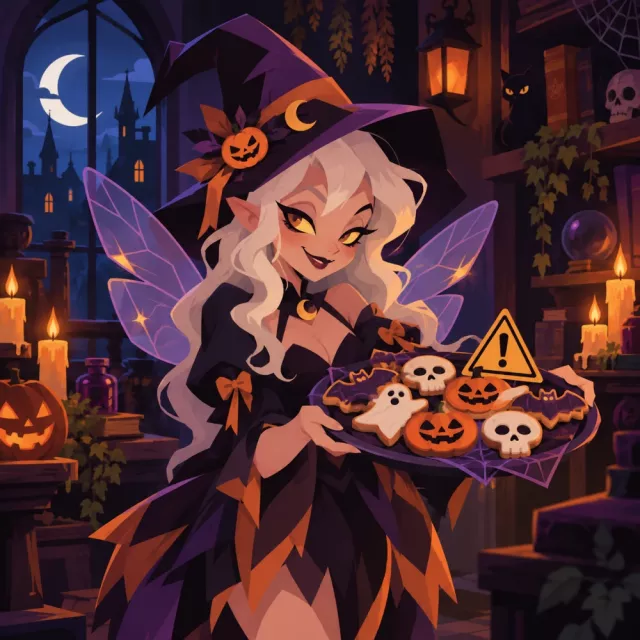
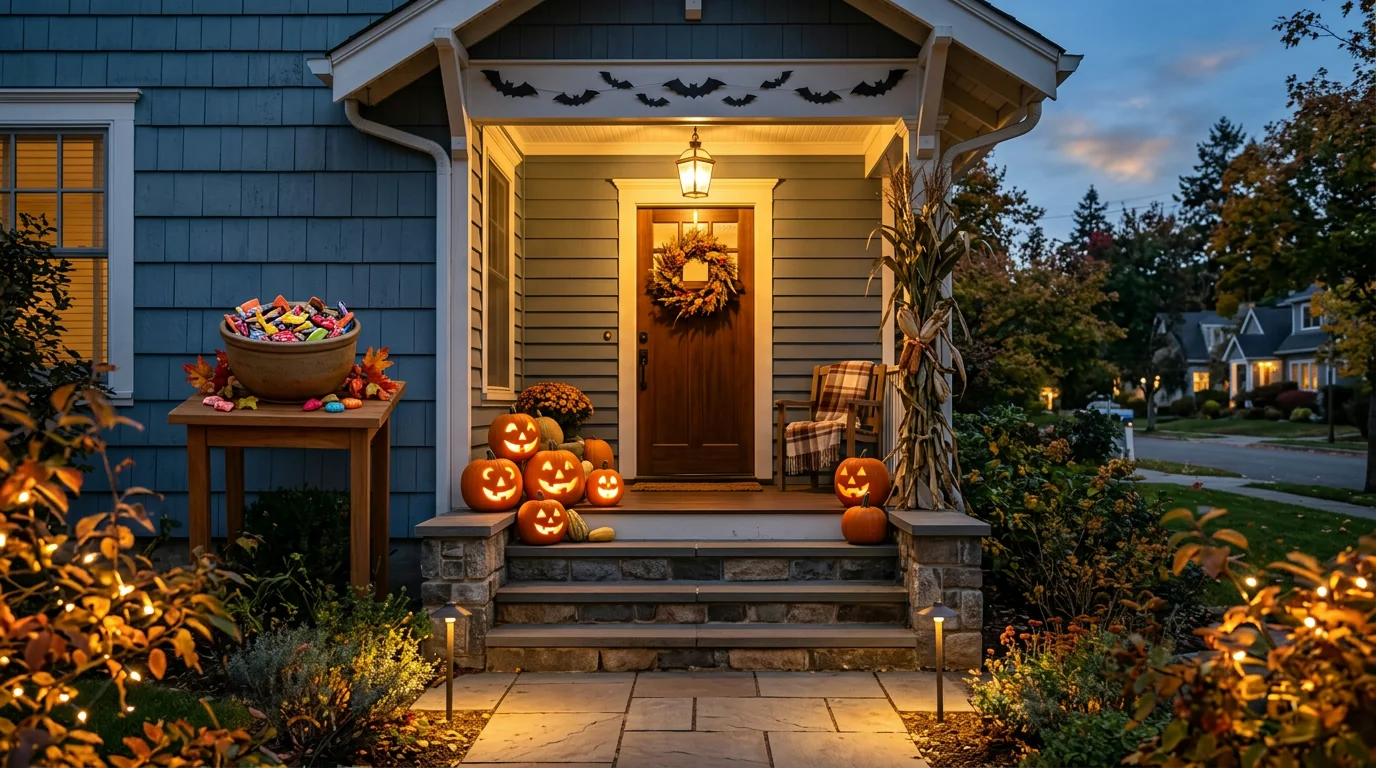
A welcoming Halloween treat table gives guests more than a tempting selection. It also makes ingredient information easy to find before anyone reaches for a snack. A little preparation can help you organize the details guests need to make their own choices, whether you are setting out packaged candy or sharing homemade treats. For more guidance, see Food Labeling | FAACT.
Our Allergy Aware Label Planner for Treats offers a starting point for gathering that information. Pair your planning with careful package checks, a thoughtful serving setup, and a willingness to answer questions. For further reading, see Consumer preferences for food allergen labeling – PMC.
Make Treat Information Easy to Find
Guests managing food allergies may need to consider ingredients, manufacturer statements, and how a treat was prepared. When that information is visible and accurate, you give them a better opportunity to decide what works for their individual needs. A label is useful, but it cannot guarantee that a treat is safe for everyone.
Our Allergy Aware Label Planner for Treats is in stock for $98.99. Use it as a starting point for organizing treat names and the details you collect before your gathering. The most helpful information comes from the actual packages and recipes you use, so keep those sources close as you plan.
For more background on allergen labeling and the major food allergens recognized in the United States, visit the FDA’s food allergy information.
Gather Details Before Making Labels
Start by making a list of everything you plan to serve. Keep original packages until the event is over, and read the ingredient list and any allergen statements on each one. Copy the information accurately rather than relying on a familiar brand or a label you made for an earlier party. Ingredients and manufacturing practices can change, so check every time you buy a product.
For homemade treats, record ingredients from every component. A decorated cookie, for example, may involve dough, frosting, sprinkles, and food coloring. Check each package rather than assuming the decorations have the same ingredients as the base. If someone else made a treat, ask for the recipe and package details before you label it.
| What to record | Where to check | Why it matters |
|---|---|---|
| Treat name | Original packaging or recipe | Helps guests match information to the treat |
| Ingredients | Every package or recipe component | Gives guests information for their own decisions |
| Allergen statements | Original packaging | Preserves manufacturer-provided warnings |
| Preparation notes | Recipe and serving setup | Helps communicate possible cross-contact |
Keep your wording specific. Instead of making a broad claim such as “allergy safe,” share the ingredients and relevant preparation details you know. If you cannot verify an ingredient or preparation detail, say so rather than guessing. Guests can then decide whether they have enough information to enjoy the treat.
Set Up a More Considerate Treat Station
Place each label next to its corresponding treat, where guests can read it before reaching into a bowl or tray. If several treats look alike, give each one a distinct name and its own serving space. Keep original packaging nearby when practical so guests can review the manufacturer’s full information.
Use separate containers and serving utensils for different treats. Avoid moving a scoop from one bowl to another, and give guests space to serve themselves without reaching across open food. These steps can help reduce cross-contact, though they cannot promise it has been eliminated.
It also helps to think beyond the food table. A separate bowl of stickers can give guests another option; choose items appropriate for the ages attending and keep them away from food. The Teal Pumpkin Project offers ideas for including nonfood treats in Halloween celebrations.
Invite guests to ask questions, and let them know when you do not have an answer. If you are hosting families, sharing your plans ahead of time can give them a chance to raise concerns or bring an option that meets their needs.
Keep the Fun Going
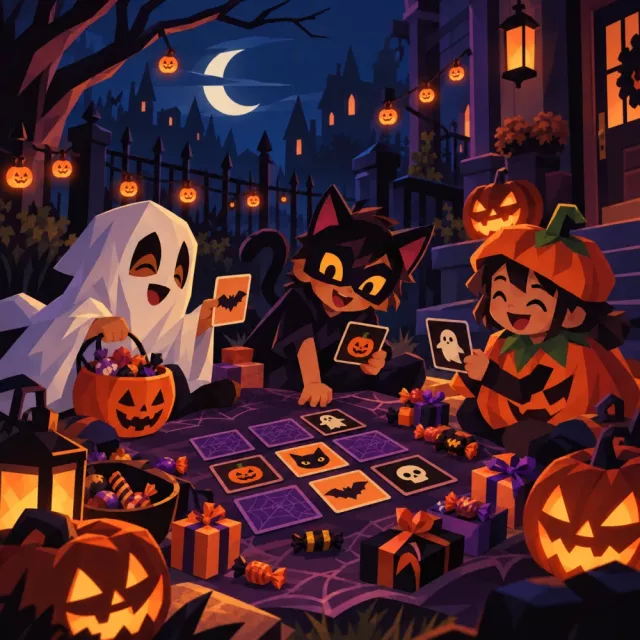
Once the treat information is organized, you can add an activity to the celebration. Our in-stock Spooky Candy Sorting Game is another way to bring a Halloween theme to the gathering. Keep ingredient information accessible during the activity, and avoid mixing treats from different packages without preserving their details.
Before your next party, explore our Allergy Aware Label Planner for Treats and give yourself time to gather information. Clear labels, careful serving habits, and nonfood choices can help you create a table that feels more welcoming.
Before choosing, compare the product details with your daily routine, available space, care needs, and preferred setup. The strongest option is usually the one that fits the intended use clearly and remains simple to clean, store, and check before repeat use.
FAQ
Does labeling a treat make it safe for someone with a food allergy?
No. Labels provide information, but individual needs vary and cross-contact can occur. Guests should check the details and make their own decisions.
What should I include on a homemade treat label?
Include the treat name and ingredients from every component, along with relevant preparation or possible cross-contact information. Keep ingredient packaging available when possible.
Should I offer nonfood Halloween treats?
Nonfood options such as stickers give guests another choice. Keep them separate from food and choose items suitable for the ages attending.